


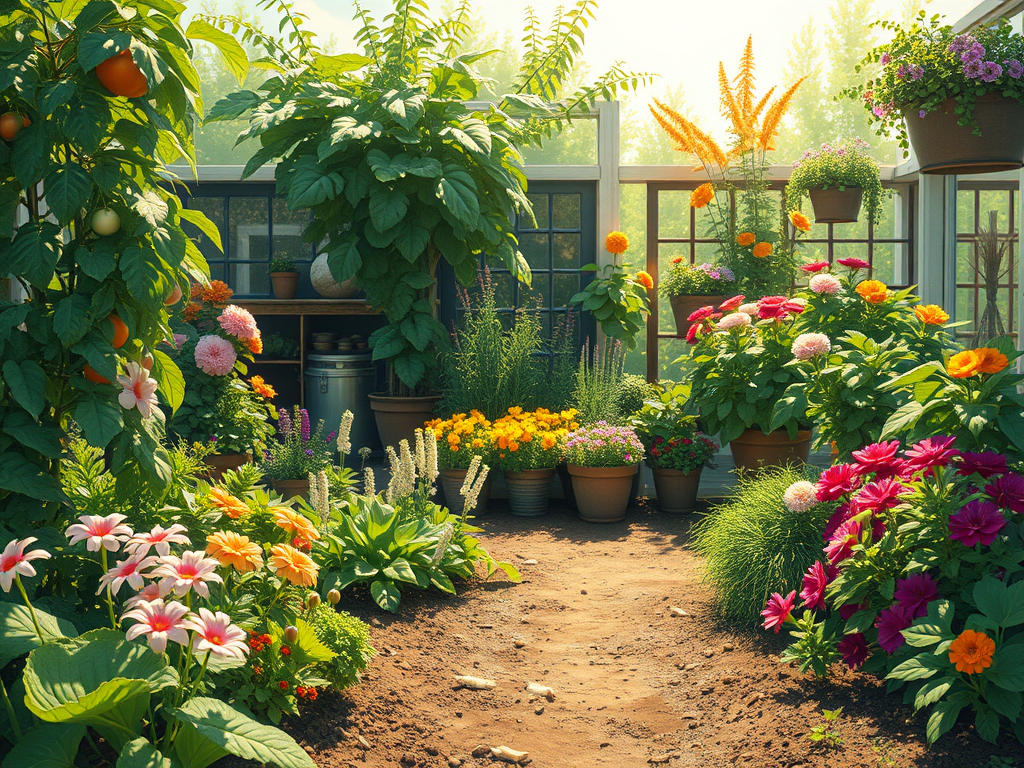
Embarking on the journey of accessible gardening can be both exciting and rewarding. Whether you have a spacious backyard or a cozy balcony, starting a garden allows you to connect with nature, grow your own food, and create a beautiful outdoor space. Here’s a step-by-step guide to help you get started with your garden. A disability should not dictate if you can have a garden or not. Try these tips to help you.
1. Choose Your Garden Type
The first step is to decide what type of garden you want to create. Consider your available space, climate, and personal preferences. If you use a wheelchair, try a raised garden bed like this bed. You can also get tabletop gardens so you can reach everything. Some common accessible gardening types include:
- Vegetable Garden: Grow your own vegetables and herbs for fresh, homegrown produce. Tomatoes are my absolute favorite. I love the taste of summer tomatoes. When I was little, I used to eat tomatoes so much that my face turned red.
- Flower Garden: Create a colorful and fragrant space with a variety of flowers. Laura and I planted a bunch of flowers last spring. I hope that they come up this year.
- Container Garden: Ideal for small spaces, container gardening allows you to grow plants in pots and containers. I think that container garden is a great accessible gardening tool. They are easy to handle and take care of. Even if you cannot physically maintain a garden, an attendant can easily help you.
- Indoor Garden: Grow plants indoors using pots, hanging baskets, or hydroponic systems. I have many plants inside. They are great for air quality and brighten up your home.
2. Select the Right Location
Choosing the right location for your garden is crucial for its success. Look for a spot that receives adequate sunlight—most plants need at least 6-8 hours of direct sunlight per day. Ensure the area has good drainage and is protected from strong winds. If you’re starting a container garden, place your pots in a sunny spot or use grow lights for indoor gardening. Make sure for accessible gardening that you can water your plants. They need plenty of water.
3. Prepare the Soil
Healthy soil is the foundation of a successful garden. Start by testing your soil to determine its pH and nutrient levels. You can purchase a soil test kit or send a sample to a local extension service. Based on the results, amend your soil with organic matter such as compost, manure, or peat moss to improve its structure and fertility. You can purchase the right kind of soil depending on what you are growing.
4. Plan Your Garden Layout
Take some time to plan the layout of your garden. Consider the spacing requirements of each plant and arrange them accordingly. Group plants with similar water and sunlight needs together. Create a sketch or diagram of your garden to visualize the layout before planting. Every plant needs space to grow and roots to spread. Think about it before you plant.
5. Choose Your Plants
Selecting the right plants for your garden is key to its success. Consider factors such as your climate, soil type, and the amount of sunlight your garden receives. Choose plants that are well-suited to your region and are appropriate for the current season. Start with easy-to-grow plants like tomatoes, lettuce, marigolds, or succulents if you’re a beginner. Some plants come up annually and some are good for uses like not enticing mosquitoes. Research what kind you would like.
6. Planting
Follow the planting instructions for each plant, including the recommended depth and spacing. For seeds, plant them at the appropriate depth and keep the soil moist until they germinate. For transplants, dig a hole slightly larger than the root ball, place the plant in the hole, and gently firm the soil around it. Get the proper shovels and tools to plant. Research the best tools for accessible gardening.
7. Watering and Maintenance
Consistent watering is essential for healthy plant growth. Water your garden deeply and regularly, especially during dry spells. Avoid overwatering, as this can lead to root rot. Mulch around your plants to retain moisture, suppress weeds, and regulate soil temperature. Regularly check for pests and diseases, and take appropriate measures to address any issues. Water and clearing debris are so essential especially on hot summer days.
8. Fertilizing
Feed your plants with the right nutrients to promote healthy growth. Use organic fertilizers such as compost, fish emulsion, or worm castings. Follow the recommended application rates and frequency for each type of plant. Many soils come with nutrients to help plants live a long healthy life.
9. Harvesting
If you’re growing vegetables or herbs, harvesting is one of the most rewarding parts of gardening. Harvest your crops at their peak ripeness for the best flavor and nutritional value. Follow specific harvesting guidelines for each type of plant to ensure you get the best yield. Enjoy those fresh vegetables and be ready to check your plants on a regular basis.
10. Enjoy Your Garden
Take time to enjoy the fruits of your labor. Spend time in your garden, observe the growth and changes, and appreciate the beauty of nature. Gardening is not just about growing plants—it’s about creating a space where you can relax, unwind, and connect with the natural world.
Starting a garden may seem daunting at first, but with patience and dedication, you’ll soon see the rewards of your efforts. Happy gardening!
I’d love to hear your thoughts or any additional tips you might have!
