


Athetoid cerebral palsy, also known as dyskinetic cerebral palsy, is a type of cerebral palsy characterized by involuntary, uncontrolled muscle movements. This condition affects muscle tone and coordination, making it challenging for individuals to perform everyday activities.
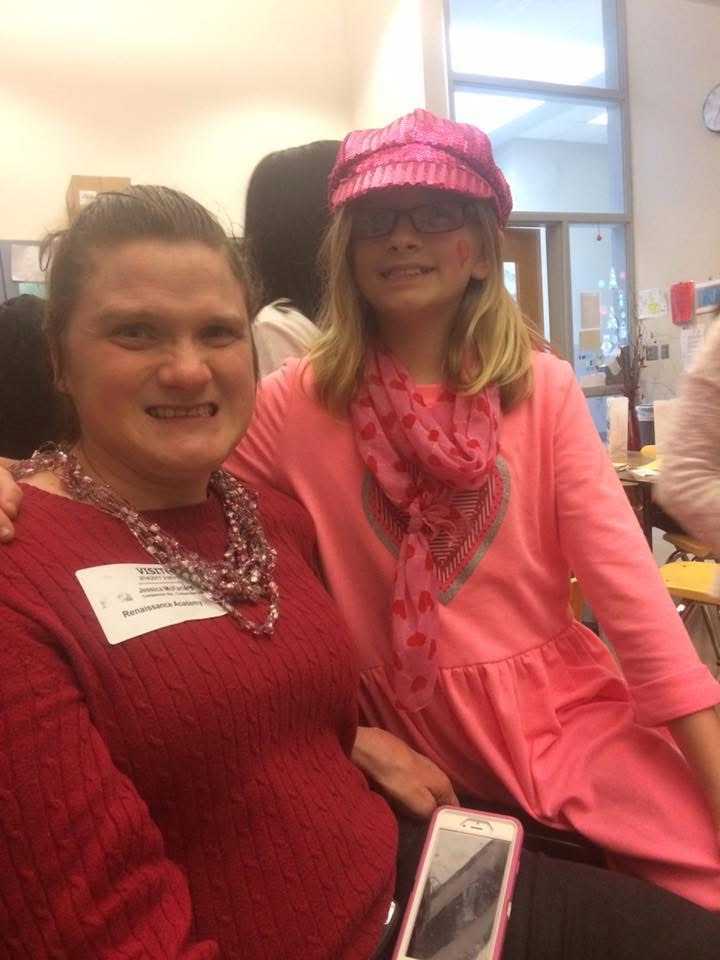
I have Athetoid Cerebral Palsy. Having Athetoid Cerebral Palsy is good, in a sense, because I’m in shape and flexible. What I don’t enjoy is always moving and people stare. Bad spasms occur at the worst times- like in Mass, a funeral, a wedding, an important meeting or meeting the man of your dreams. Basically, any chance to really embarrass you, a bad spasm is bound to happen. I use a motorized wheelchair to get around because walking is not part of my motor skills.
Causes
Athetoid cerebral palsy is caused by damage to the basal ganglia, a part of the brain responsible for transmitting messages that regulate movement. This damage can occur during pregnancy, childbirth, or shortly after birth due to factors such as:
- Premature birth B
- Low birth weight B
- Infections or inflammation during pregnancy B
- Lack of oxygen during birth B
- Head injuries B
- Genetic disorders B
I have Athetoid Cerebral Palsy due to hospital error causing me to have a lack of oxygen. This damaged my brain’s ability to control my muscles. My mother went into labor but was left alone for several hours. I was a breached birth which means I came out of the birth canal backwards. When I was born, no medical staff were with my mother so I came out without receiving proper oxygen. I technically died, but thankfully a doctor passed by my mom’s room and saw what had happened. He gave me CPR and almost pronounced me dead until another doctor intervened and saved my life. It wasn’t until I was 2-4 that my mom found out I had cerebral palsy from a physical therapist.
Athetoid cerebral palsy Symptoms
The symptoms of athetoid cerebral palsy can vary in severity and may include:
- Involuntary movements: These can be slow and flowing or rapid and jerky, affecting any part of the body, including the arms, legs, face, and trunk B.
- Muscle stiffness: This can make it difficult to move or perform everyday activities B.
- Difficulty with voluntary movements: Tasks such as walking, running, or making simple gestures can be challenging B.
- Abnormal muscle tone: Muscle tone can be too high (spastic) or too low (flaccid) B.
- Delayed development: Children may experience delays in language, cognitive skills, and social skills B.
- Seizures: Some individuals may also experience seizures B.
I don’t have seizures, but I did as a baby. Sudden noises or actions make me jump. I have sudden big spasms that happen at the worst times of stress or silence.
Diagnosis and Treatment
Diagnosing athetoid cerebral palsy involves a thorough medical history, physical examination, and imaging tests such as MRI or CT scans to identify brain abnormalities A. Treatment focuses on managing symptoms and improving quality of life, and may include:
- Physical therapy: To improve muscle strength and coordination C. I wish I could have physical therapy often, but as an adult, it is very hard to receive thanks to medical insurance.
- Occupational therapy: To help with daily activities and improve fine motor skills C. I was never a fan of occupational therapy as a kid because it wasn’t realistic to me. I think if I had it now, it would be much different.
- Speech therapy: To address difficulties with speech and swallowing B. I wasn’t a fan of speech either, but I do believe in the benefits of having it when I was a child. I think it might be helpful now.
- Medications: To manage muscle stiffness and involuntary movements C. I take Baclofen and diazepam. They help my muscles relax.
- Surgery: In some cases, surgery may be necessary to correct muscle contractures or other issues C. I never needed it for cerebral palsy.
Living with Athetoid Cerebral Palsy
Living with athetoid cerebral palsy can be challenging, but with the right support and resources, individuals can lead fulfilling lives. Early intervention and ongoing therapy can make a significant difference in managing symptoms and improving overall well-being. I try to live my life as I would without cerebral palsy. I work, enjoy friendships, organization and my kids. Accepting yourself but working to be the best you can be is essential.
I hope this helps! If you have any specific questions or need more information, feel free to ask.
